Founders often ask for “the price of a serum”. The honest answer is that cost is designed, not discovered. These are the levers.
1. Actives and their percentages
Active ingredients are usually the largest share of formula cost. A 10% niacinamide serum and a 1% retinol in microsponge delivery have very different costs. Tell your manufacturer your target cost and let them design the active system around it.
2. Delivery system
Encapsulated or liposomal actives cost more than free actives but can deliver better results at lower concentrations with less irritation. That can be worth more than a higher percentage on the label.
3. Packaging
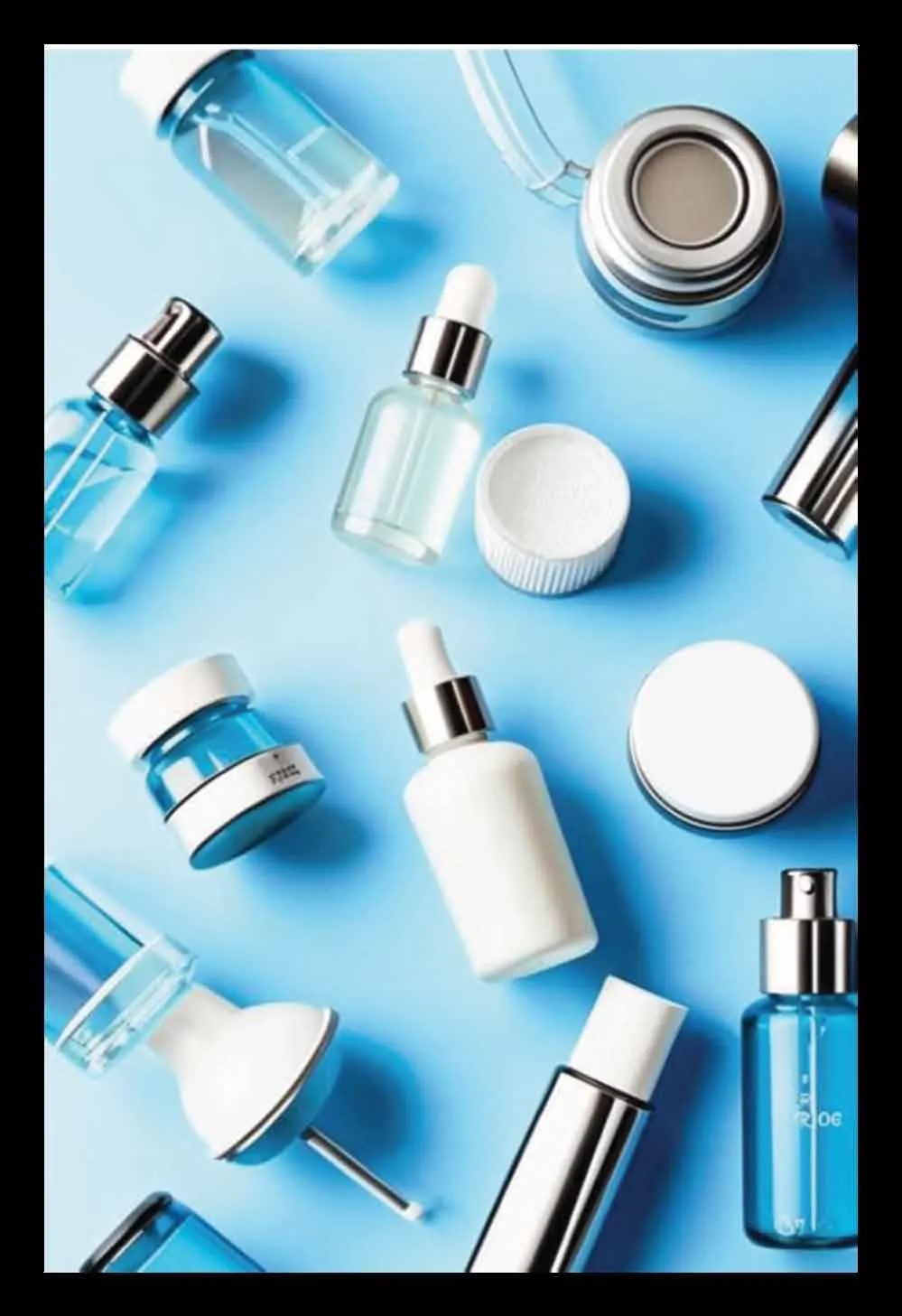
Airless pumps, droppers and premium tubes can cost as much as the formula. Choose packaging that protects the formula first (light- and air-sensitive actives need it) and looks good second.
4. Testing
Budget for stability, compatibility and claim testing. SPF and in-vivo tests cost more but are non-negotiable for sunscreens.
5. MOQ and volume
Unit cost falls with batch size. Plan a launch quantity you can sell, and ask how quickly reorders can be produced.